Did You Know?
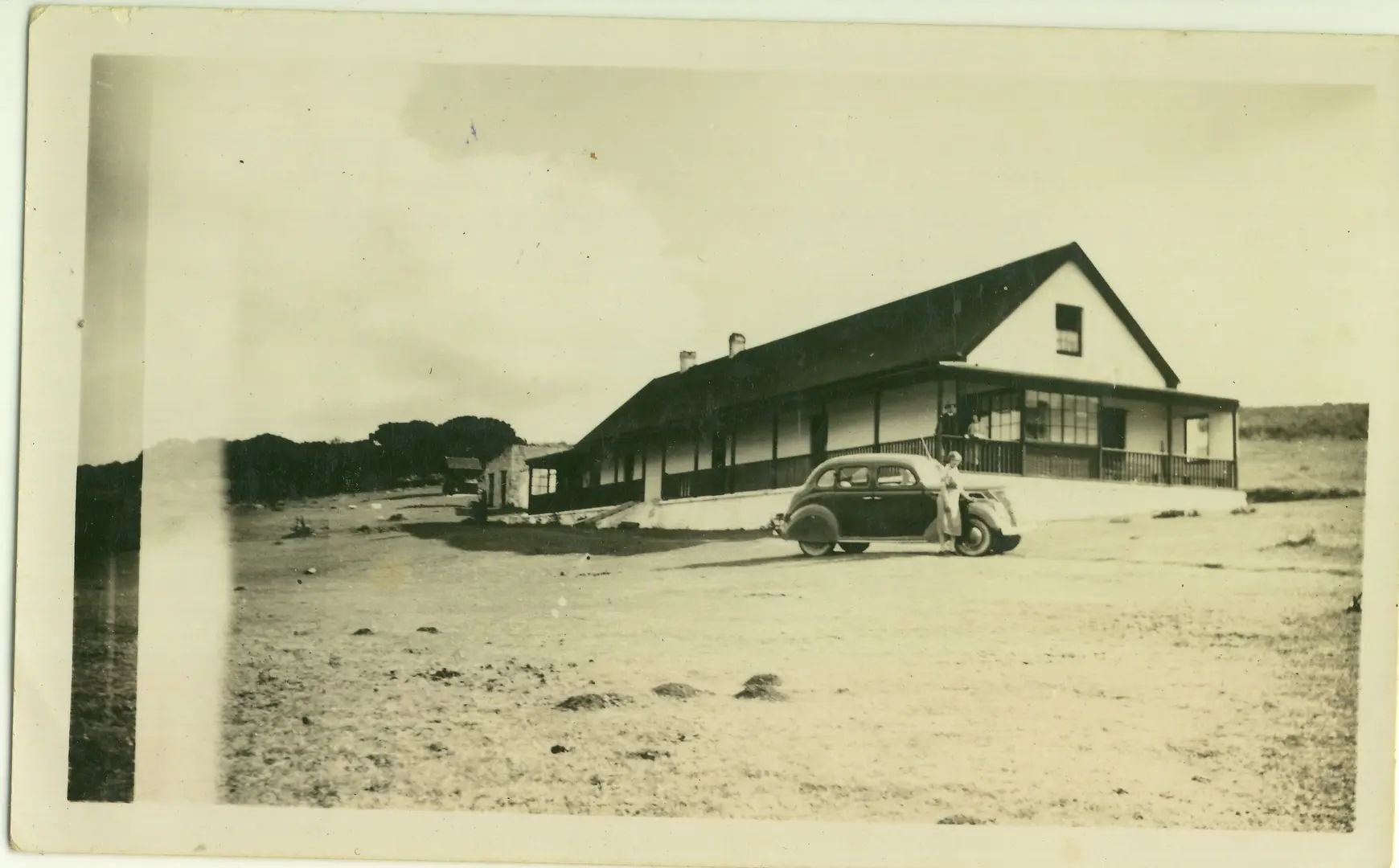
The house was built in 1854 as the residence of the harbour captain of Port Beaufort, a once-active port at the mouth of the Breede River in the Western Cape. Port Beaufort was established in the early 19th century as a shipping point for the Malmesbury and Swellendam districts, with wool and agricultural produce exported via small coastal vessels. The harbour captain's role was crucial for guiding ships over the river bar and managing port operations, and his dwelling would have stood near the waterfront. In 1941, the building was converted into the Oysterbeds Hotel, a name reflecting the nearby oyster beds in the Breede River estuary. The hotel operated for several decades, serving visitors to the coastal village and the surrounding Overberg region. It later ceased operations as a hotel and reverted to use as a private residence, which it remains today. The building is a notable example of mid-19th century vernacular architecture in the region, likely constructed with local materials such as clay brick and lime plaster, with a thatched or corrugated iron roof. Port Beaufort itself declined as a port after the 1860s due to silting of the river mouth and the rise of road and rail transport, leaving few intact structures from its maritime heyday. The house is therefore a rare surviving link to the village's harbour era, though specific interior details or alterations over time are not widely documented.
AI-assisted · may contain inaccuracies